Rocks and Stones in Civil Engineering Construction
Natural stones, derived from rocks, are one of the oldest and most durable building materials used in civil engineering. They are quarried, cut, and shaped for structural and aesthetic purposes. Stones must be hard, tough, durable, free from cracks, and resistant to weathering.
Classification of Rocks/Stones
Rocks are classified geologically into three main types, each with distinct formation processes and properties relevant to construction:
- Igneous Rocks (formed by cooling of molten magma):
- Granite: Coarse-grained, high in quartz and feldspar. Extremely hard, durable, and weather-resistant. Compressive strength often exceeds 100 MPa.
- Uses: Foundations, bridge piers, monuments, cladding, countertops.
- Basalt (Trap): Fine-grained, dark, dense volcanic rock rich in ferromagnesian minerals.
- Uses: Road base, railroad ballast, aggregate in concrete, paving, cobblestones.
- Granite: Coarse-grained, high in quartz and feldspar. Extremely hard, durable, and weather-resistant. Compressive strength often exceeds 100 MPa.
- Sedimentary Rocks (formed by deposition and cementation):
- Sandstone: Composed of sand grains, often silica-cemented.
- Uses: Walls, cladding, flooring, dams, river walls.
- Limestone: Primarily calcium carbonate, porous in some varieties.
- Uses: Flooring, walls, paving, aggregate (when crushed).
- Sandstone: Composed of sand grains, often silica-cemented.
- Metamorphic Rocks (formed by heat/pressure alteration of existing rocks):
- Marble: Recrystallized limestone, polished for aesthetics.
- Uses: Flooring, cladding, monuments, interior decoration.
- Slate: Fine-grained, foliated, splits easily into thin sheets.
- Uses: Roofing, paving, partitions.
- Quartzite: From sandstone, very hard and siliceous.
- Uses: Flooring, walls, heavy engineering.
- Gneiss: Banded appearance, similar strength to granite.
- Uses: Road metal, facades, heavy structures.
- Marble: Recrystallized limestone, polished for aesthetics.
Properties of Good Building Stones
- Strength: High compressive strength (e.g., granite >100 MPa, basalt similar).
- Durability: Resistance to weathering, fire, and chemicals.
- Hardness: Resistant to abrasion (important for paving).
- Porosity/Absorption: Low water absorption (<5% ideally) to prevent frost damage.
- Workability: Ease of cutting and dressing.
- Appearance: Uniform color and texture for aesthetics.
Uses in Civil Engineering
- Structural: Foundations, walls, arches, dams, bridges (e.g., granite for piers).
- Facing/Cladding: Exterior veneers on buildings.
- Paving and Flooring: Roads, paths, interiors.
- Aggregate: Crushed stone in concrete and asphalt.
- Heavy Works: Breakwaters, seawalls.
Stones are often preferred for their longevity and low maintenance compared to modern materials, though they are heavier and more labor-intensive.
Rocks and Stones in Civil Engineering: Detailed Overview with Visuals
Natural stones are fundamental materials in civil engineering, valued for their strength, durability, and aesthetic appeal. They are quarried, processed, and used in various structural and non-structural applications.
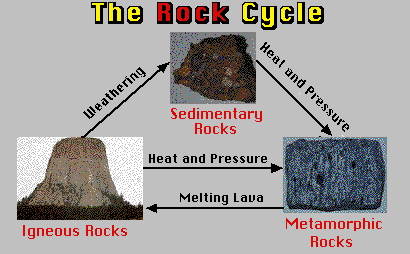
Rock Cycle and Classification Diagram
Rocks are classified into three primary types based on their formation process. Here's a visual representation of the rock cycle and types:


1. Igneous Rocks (Formed by Cooling of Molten Magma)
Granite: Coarse-grained, rich in quartz and feldspar. High compressive strength (>100 MPa), excellent durability.

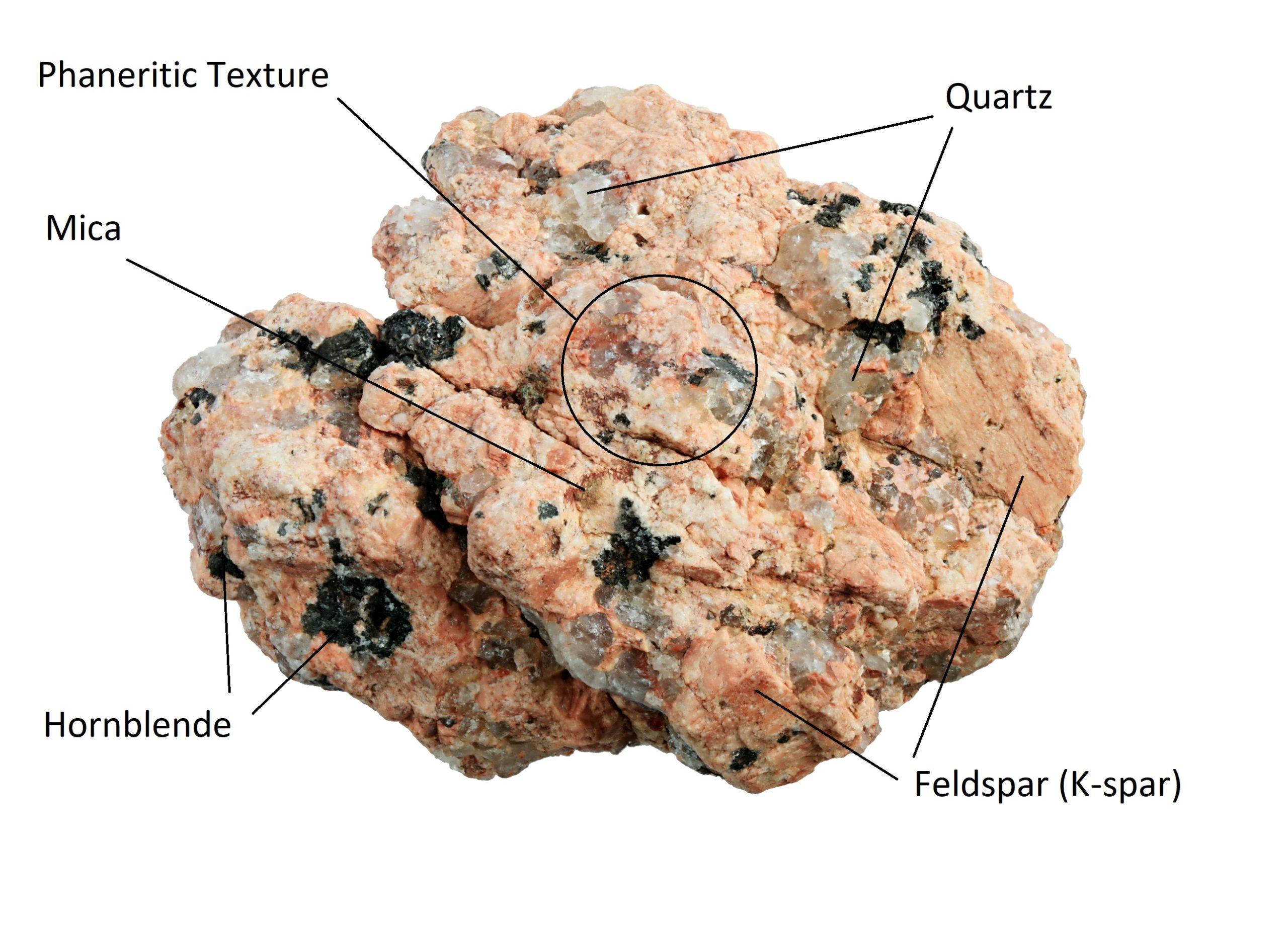
Uses: Foundations, bridge piers, cladding, monuments.
Basalt (Trap Rock): Fine-grained, dense, dark volcanic rock.
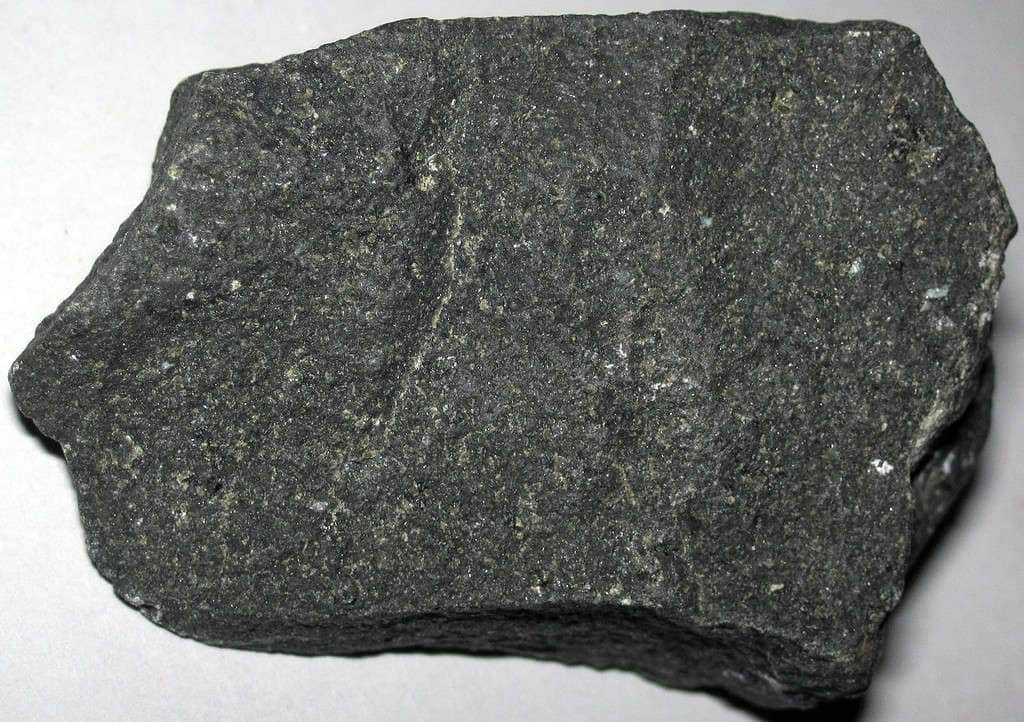

Uses: Road base, railroad ballast, concrete aggregate, paving.
2. Sedimentary Rocks (Formed by Deposition and Cementation)
Sandstone: Composed of sand grains, often quartz-cemented.
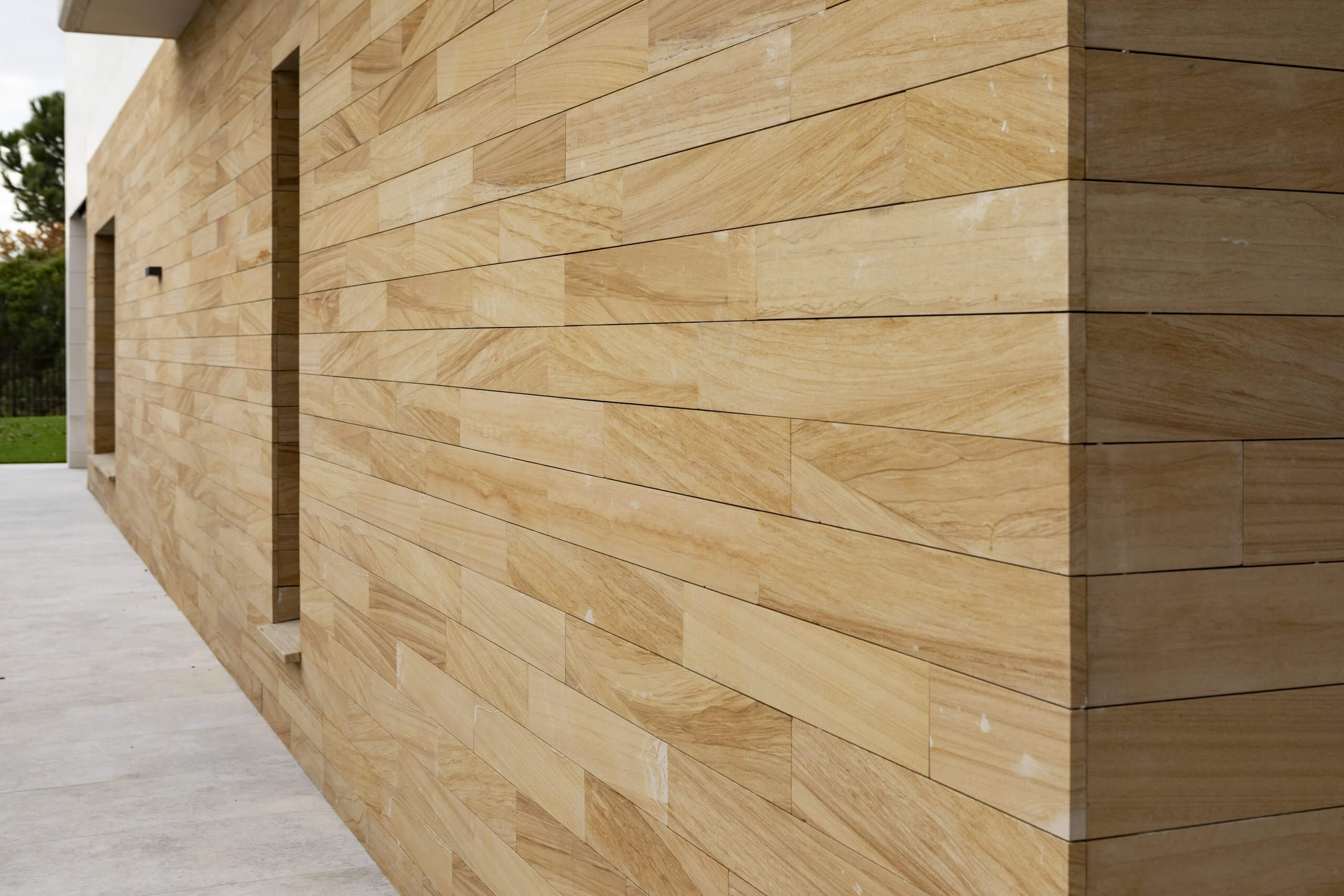
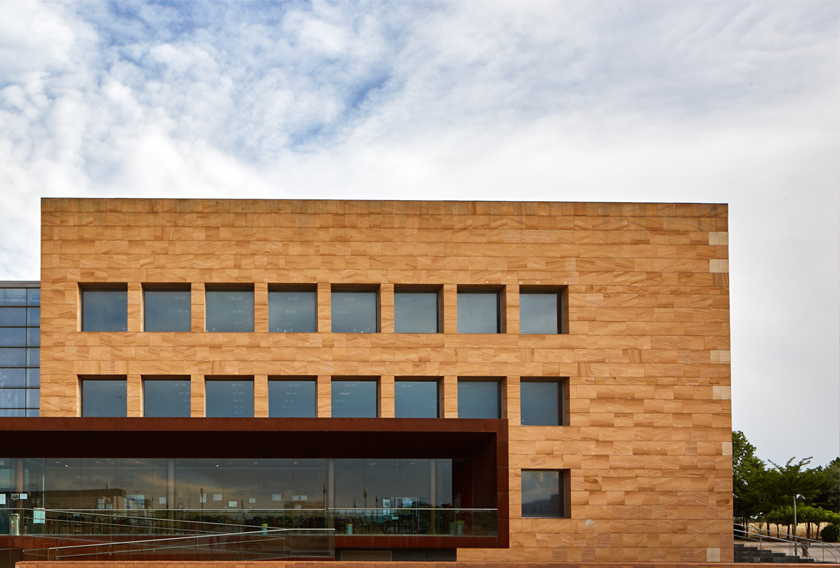
Uses: Walls, cladding, flooring, dams.
Limestone: Primarily calcium carbonate-based.
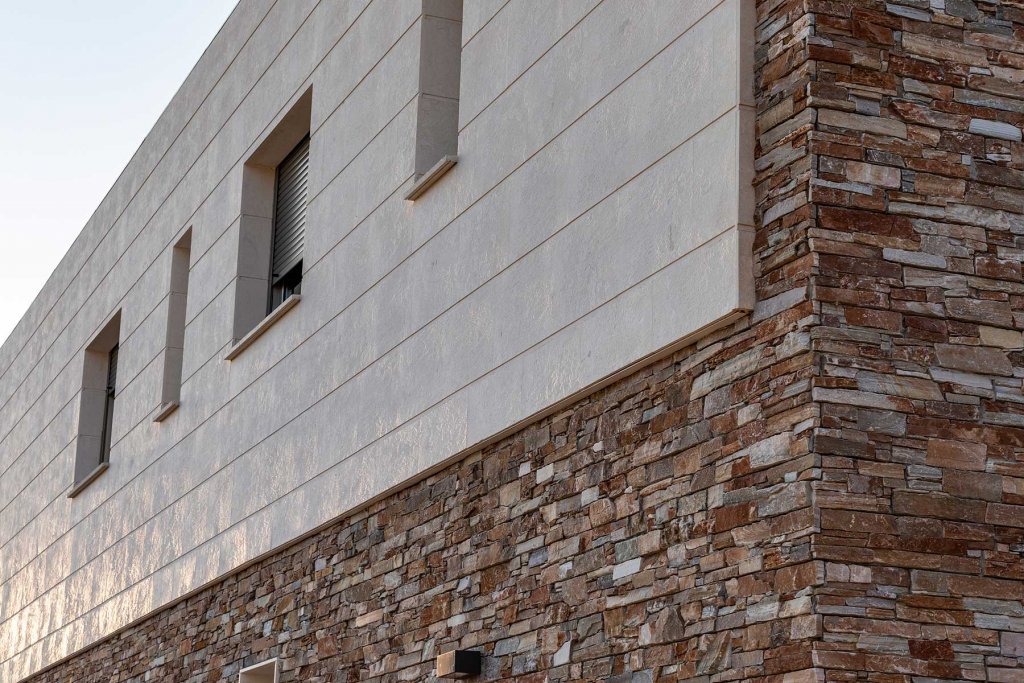

Uses: Flooring, walls, paving, crushed aggregate.
3. Metamorphic Rocks (Formed by Heat/Pressure Alteration)
Marble: Recrystallized limestone, highly polishable.

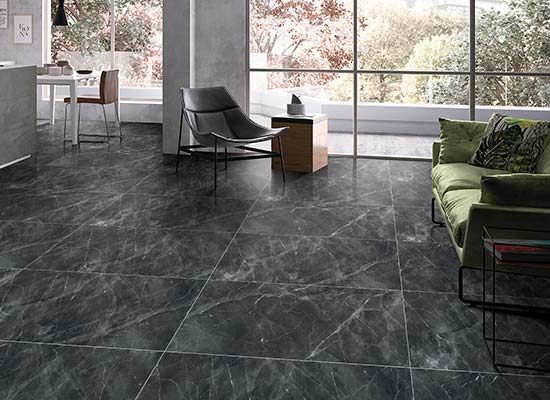
Uses: Flooring, cladding, interior decoration, monuments.
Slate: Fine-grained, easily split into thin sheets.


Uses: Roofing tiles, paving, partitions.
Quartzite: Very hard, from metamorphosed sandstone.
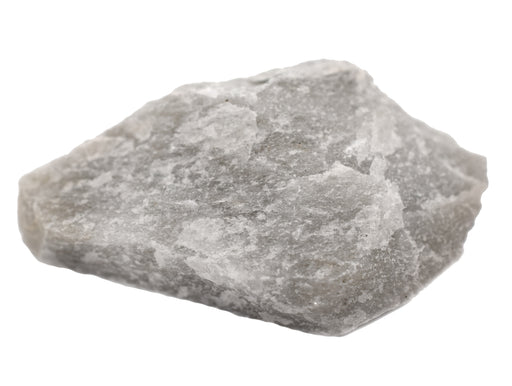
Uses: Flooring, walls, heavy engineering works.
Gneiss: Banded texture, high strength similar to granite.

Uses: Road metal, facades, heavy structures.
Applications in Civil Engineering
Stones are used in masonry for bridges, walls, and arches:
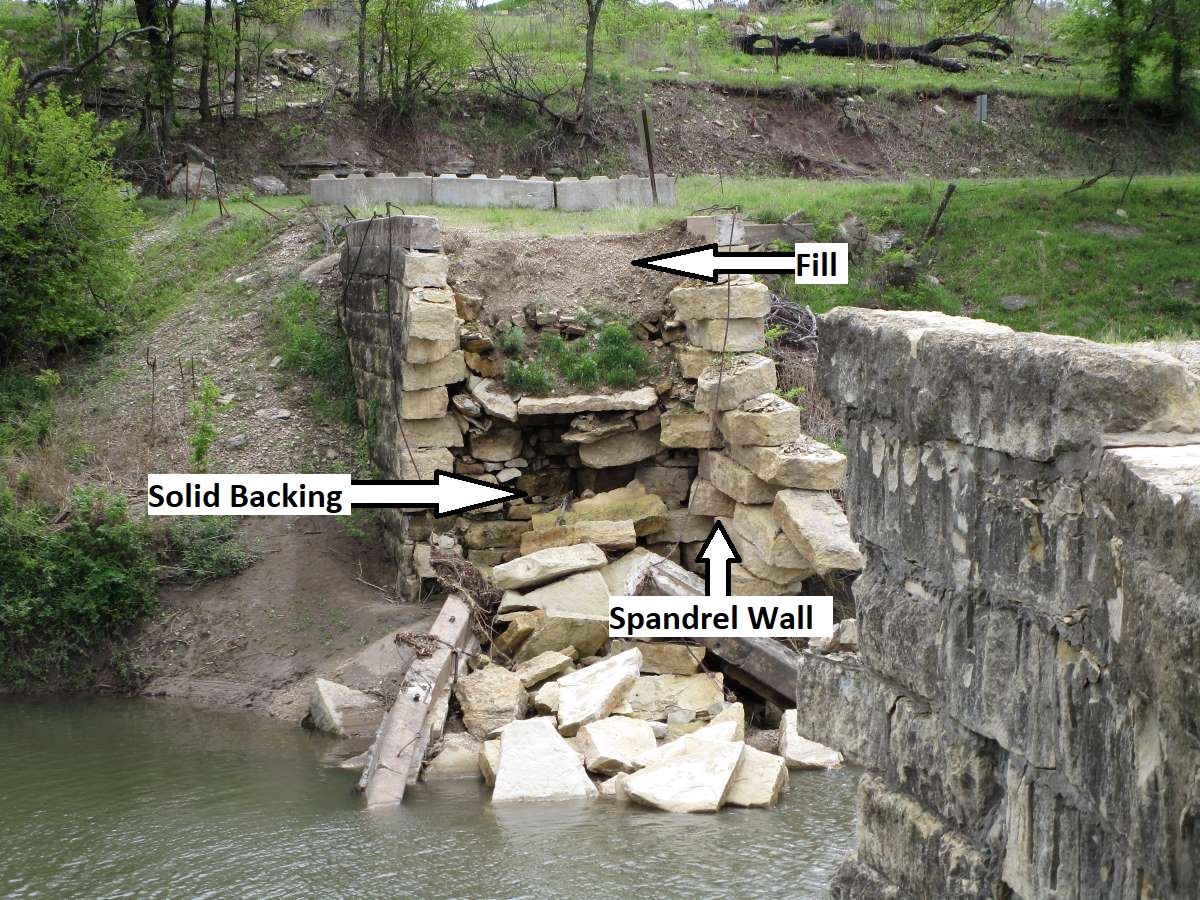

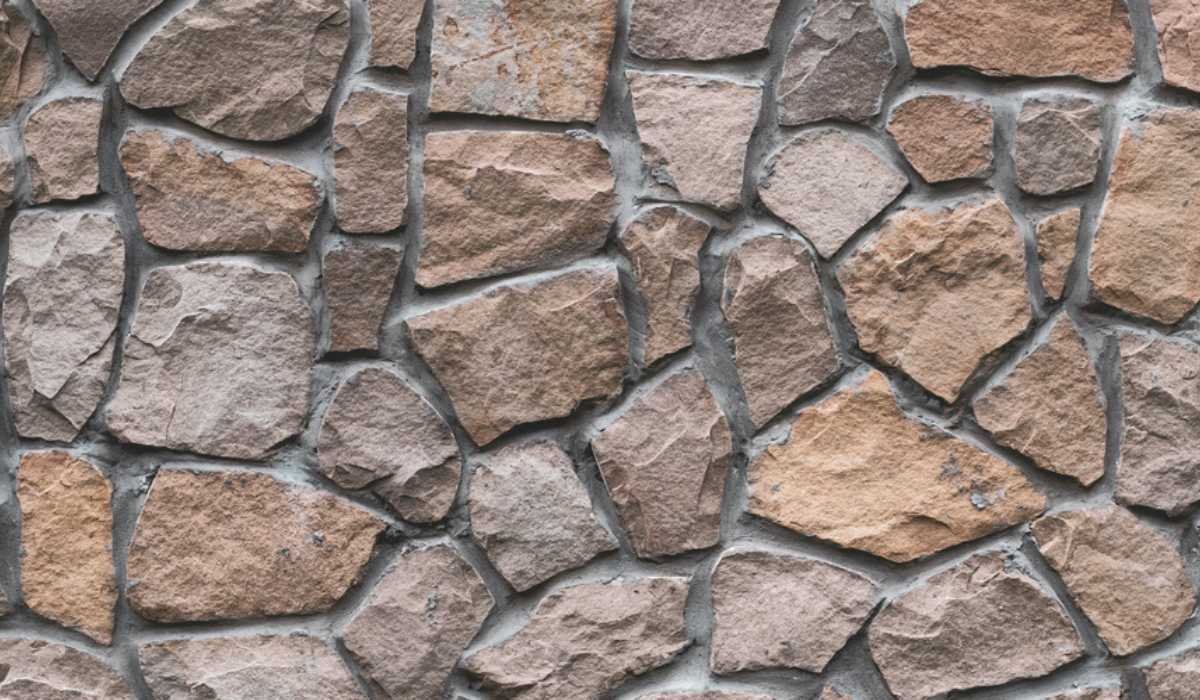
Crushed stones as aggregate in concrete:

These visuals illustrate the texture, appearance, and real-world applications of building stones in civil engineering projects. Rock and Stone!